Samizdat: Words of Freedom in Czechoslovakia 1939-1989
August 20 2026 until January 24 2027
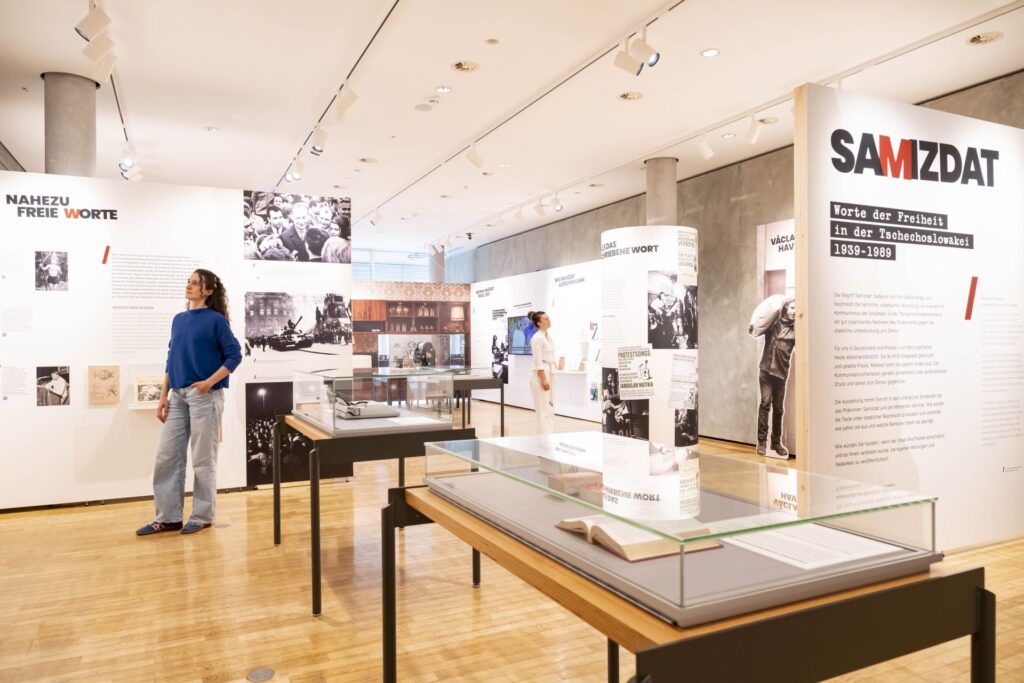
The upcoming exhibition, part of the cultural program for Czechia as guest of honor at the Frankfurt Book Fair 2026, explores the suppression of free life by dictatorships and resistance by the means of underground literature.
Samizdat is Russian самиздат, from сам – “self” and издат – short form of издательство, “publishing house.” In response to strict censorship and state control over all official publications in the Soviet Union and other Eastern European countries during the communist era, Samizdat emerged with the aim of secretly reproducing and distributing literature and other texts that were not considered compliant with the system by the government.
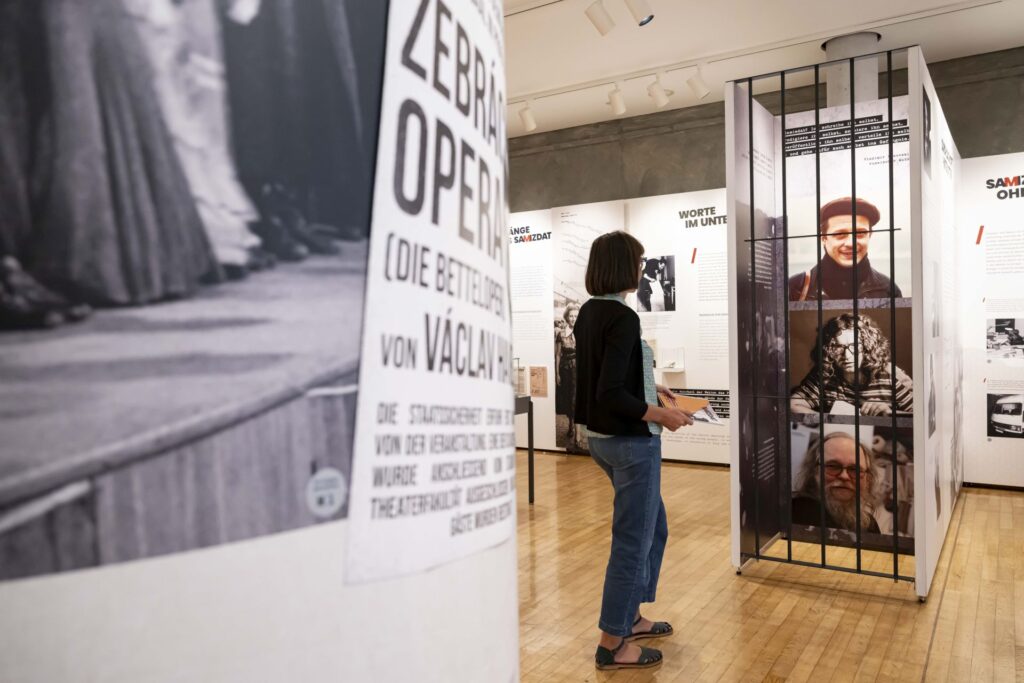
After state censorship had already been undermined during the imperial era and the Nazi occupation in 1939-1945, a well-organized Samizdat movement developed in Czechoslovakia in the following decades: resistance groups published their secret magazines, artists published unauthorized books. Well-known authors such as the later Czech president Václav Havel were also part of the movement.
Censorship does not stop literature
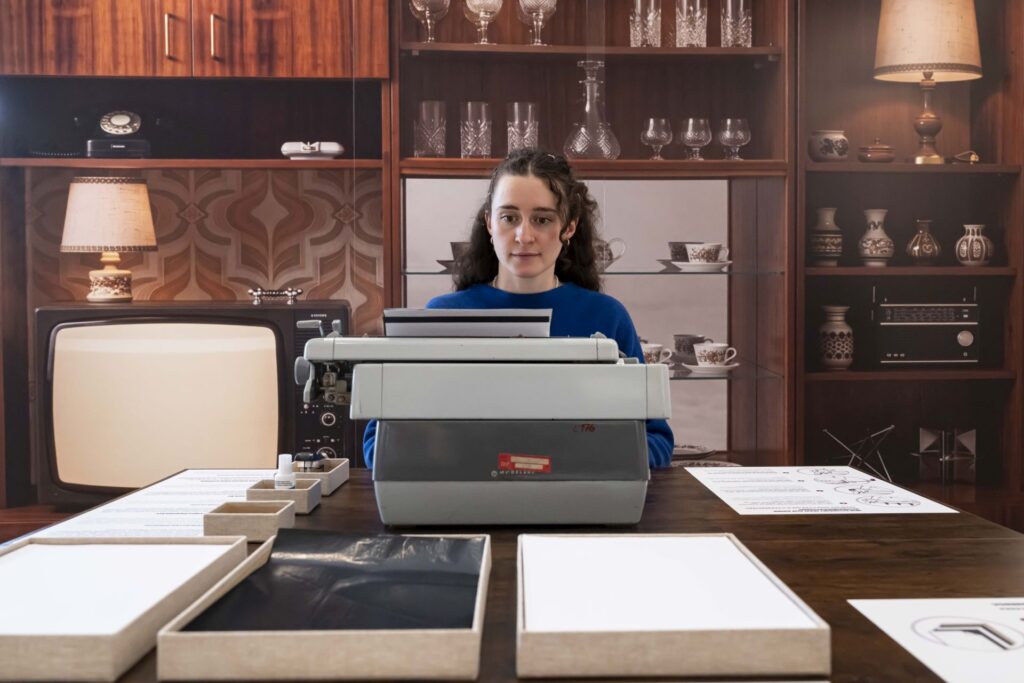
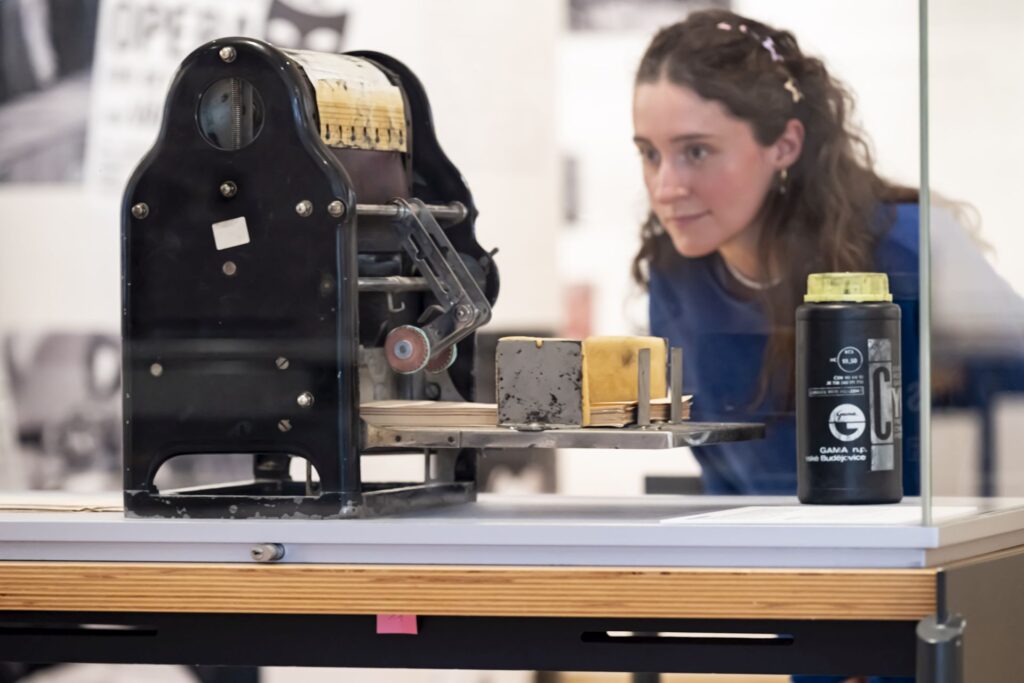
In addition to history, the exhibition focuses primarily on the materiality, design, and various copying methods of Samizdat literature: throughout the communist era, copying machines in Czechoslovakia were subject to strict state supervision and carried heavy penalties. Only typewriters were permitted for private individuals. Computers were still not widely available.
Samizdat therefore consists largely of hand-typed manuscripts. However, carbon copies and other reproduction methods such as mimeography can also be found. They demonstrate the creative ways in which the underground cultural movement rebelled against the repressive regime.
Press material and high quality images can be found here.
Impressions

Partners and Funding
The Samizdat exhibition is a partnership between the Moravian Library in Brno and the Museum for Communication in Frankfurt on the occasion of Czechia being the guest of honor at the Frankfurt Book Fair 2026.